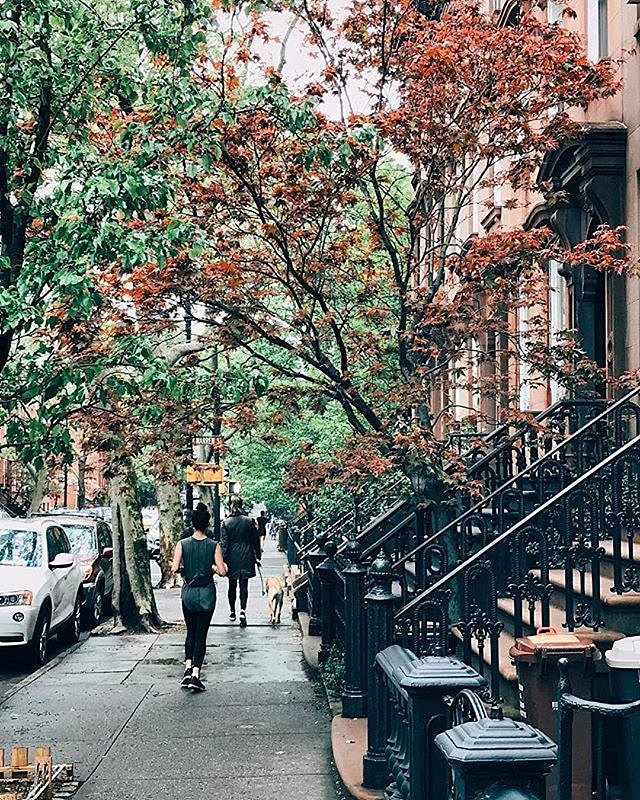
Viewing NYC on Instagram, May 26th, 2017 at 12:43 PM

Cobble Hill, Brooklyn. Photo via @melliekr #viewingnyc
Photo: @viewingnyc

Follow our Instagram account @ViewingNYC to see photos of New York City from some of the best local, amateur, and professional photographers around! If you would like to see your photo featured, be sure to use hashtag #viewingnyc and we'll take a look!

If you want more than just photos, check out @ViewingNYC on Twitter, and Viewing NYC on Facebook to also get a stream of our best articles.

WildlifeNYC Gives Tips on How to Share the Beach With Wild Plover Birds

WildlifeNYC is a new program setup by the City of New York to educate and inform residents about local wildlife, when it's appropriate to interact with them, and when it's not.

There is abundant wildlife in New York City – over 600 different species call the Big Apple home. From soaring hawks to curious coyotes, it’s no surprise that we encounter animals everywhere from our parks and greenspaces to our roads and roofs. WildlifeNYC is a campaign launched by the City of New York to increase public awareness about urban wildlife. After all, they’re New Yorkers, too!

In this video from the series, get tips and tricks on how to coexist with beach-going plovers. Check out the full site to learn more about the program.

[WATCH] Tourist In Your Own Town Visits Temple Emanu-El on the Upper East Side

The New York Landmarks Conservancy's Tourist in Your Own Town series explores some of New York’s best hidden gems as well as some of the classic iconic landmarks. In this video from the series, we take a look at the Upper East Side's Temple Emanu-El, a landmarked built in the 1920s, one of the largest in the world.

Temple Emanu-El at One East 65th Street and Fifth Avenue is one of the largest synagogues in the world. It is a massive limestone building completed in 1929 for Emanu-El, the City's oldest Reform Jewish congregation (1845) that merged with the Beth-El congregation in 1927.

Designed by Robert D. Kohn, Charles Butler, and Clarence Stein, in association with Mayers, Murray & Phillip, the building combines Byzantine and early Romanesque form with Moorish and Art Deco style.